

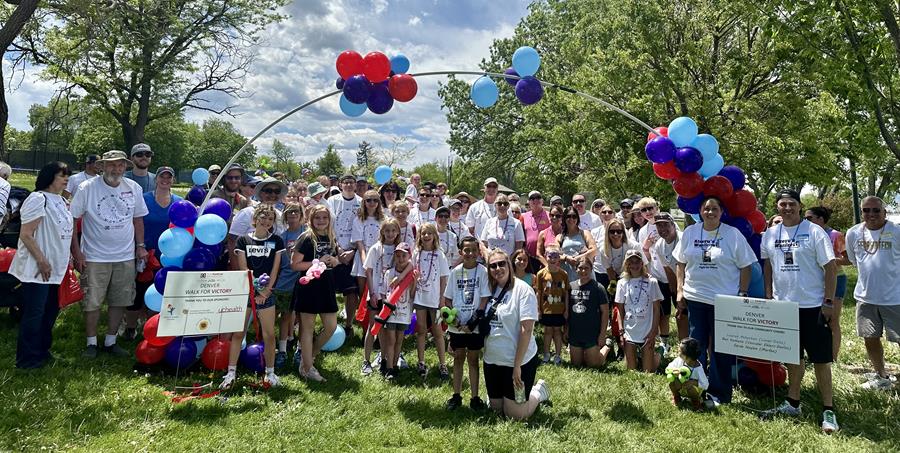

How to Host a Successful Walk/Run Fundraiser: Insights from the Marfan Foundation’s First Walk for Victory in Denver
If you know me, you know I’m historically not a fan of 5K fundraisers.
But this year, I had the unique opportunity to witness a masterclass in event organization, thanks to the Marfan Foundation’s expert fundraising team. Their first local event in Denver was nothing short of impressive in terms of its meticulous planning and thoughtful execution.
In May 2024, the Marfan Foundation hosted its first-ever Walk for Victory in Denver. As someone diagnosed with Loeys-Dietz syndrome (LDS) in 2017, a member of the Loeys-Dietz Syndrome Foundation advisory board, and a survivor of two open-heart surgeries at Colorado hospitals, I felt a deep personal connection to this event. It was an honor to co-chair the walk alongside two other incredible individuals affected by Marfan syndrome and Vascular Ehlers-Danlos syndrome (VEDS).
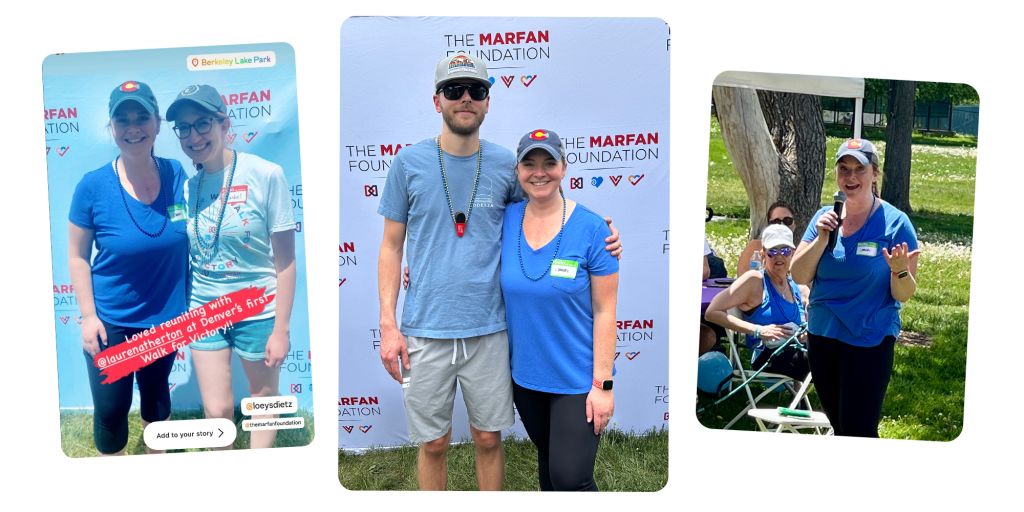
Keep in mind that the Marfan Foundation has a dedicated team that travels the country for its Walk for Victory events, but it has only been hosting them since February 2020. This perspective is entirely from my purview as a co-chair, and I’m sure that there are loads of other behind-the-scenes details and coordination efforts that took place.
10 steps to organize a successful fundraising walk
Hosting a walk/run fundraiser is no small feat, but with careful planning and consideration, it can become a highlight of your organization’s fundraising efforts. Here are some key takeaways from my experience:
1. Define Your Audience
- Who is this walk for? Understanding your audience is crucial. For the Marfan Foundation, most participants are affected by connective tissue conditions, which often limit our ability to run or endure extreme heat. This informed several key decisions, including the time of year, the selection of a wheelchair-accessible location with a flat trail, and offering a manageable distance that allowed participants to loop back to the event easily.
2. Timing
- Time of Year: Consult with your co-chairs and community to determine the best time of year for your event. In our case, we chose a cooler month to accommodate those who are heat-sensitive. This consideration ensured that everyone could participate comfortably and safely.
- Pick Your Date: Be mindful of other local events and holidays that might conflict with your fundraiser. You want to ensure maximum participation, so avoid dates when your audience might be otherwise engaged.
3. Due Diligence
- Research similar events: Investigate other races or walks in the area. Could you team up or avoid competing for the same audience? Collaborations can sometimes amplify your reach and resources.
- Secure a suitable location: Accessibility was a top priority for us, so we chose a venue that was not only flat and easy to navigate but also beautiful and inviting. The right location can make or break your event.
- Permits and Insurance: Ensure you have all the necessary permits for your event location, and secure event insurance to protect against any unforeseen circumstances.
- Emergency Planning: Develop an emergency plan, including first aid stations, clear signage, and a communication plan for staff and volunteers. Make sure everyone knows what to do in case of an emergency.
4. Assemble a Strong Team
- Volunteer coordination: A successful event requires a dedicated team of volunteers to manage everything from registration and water stations to guiding participants and handling any on-site issues. Assign roles early and ensure each volunteer understands their responsibilities.
- Sponsorships and Partnerships: Partner with local businesses or national brands that align with your cause. Sponsors can provide financial support, in-kind donations, or promotional assistance, which can significantly enhance your event’s reach and success.
5. Pick Your Theme
- A walk/run fundraiser should feel like an extension of your brand. For the Marfan Foundation, the theme was “Victory”—a powerful message of resilience and community that resonated deeply with participants. Your theme should tie into your mission and be reinforced through every aspect of the event, from signage to participant swag.
6. Online Registration + Donations
- User Experience and Features: Choose a user-friendly platform with customizable fundraising pages, easy donation processing, and integration with social media to enhance participant engagement. Classy and GiveButter are great options for peer-to-peer fundraising and also display a leaderboard of teams and the amount raised.
- Fees and Security: Be aware of transaction fees and ensure the platform has strong security measures like PCI compliance and SSL encryption to protect donor information.
- Integration and Reporting: Opt for a platform that integrates smoothly with your website and offers detailed reporting and analytics to track event performance and manage records effectively.
7. Promote + Promote + Promote Some More
- Utilize social media, email newsletters, and your organization’s website to promote the event. Create shareable content and encourage participants to invite friends and family. The more visibility your event has, the better the turnout.
- Media Outreach: Reach out to local news outlets, radio stations, and local Facebook groups to get coverage for your event. A well-timed press release or a feature story can attract more participants and boost donations.
- Pre-Event Communications: Keep participants informed leading up to the event. Send out regular updates, including event day details, fundraising tips, and inspirational stories related to your cause.
- Motivational Tools: Provide participants with bonuses for reaching fundraising goals, such as customizable donation pages, sample emails, and social media graphics.
8. Plan the On-Site Experience
- Event flow: Plan the event day timeline carefully, ensuring a smooth flow from check-in to post-walk activities. Consider having a clear schedule and multiple announcements to keep participants informed.
- Brand colors, everywhere: Your event should be clearly marked with balloons and signage that makes it hard to miss! The easiest way to do this is to use your brand colors. Plus, when people take photos at your event your brand will subtly trigger in the background!
- Refreshments and hydration: Offering water stations and refreshments not only keeps participants energized but also adds to the overall experience.
- Registration: Make a clear place for people to check in, sign a name tag, get their t-shirt, and feel welcomed to the event. The Marfan Foundation had a table with different colored beads so people could quickly identify similarly affected individuals, or if someone was grieving the loss of a loved one. It was a great conversation starter!
- Announcements: This gives you an opportunity to formally introduce yourself and your organization, acknowledge why attendees are here, thank your volunteers and donors, as well as officially kick off the walk!
- Set the tone: Consider additional activities or entertainment to engage participants outside of the walk. Whether it’s live music, face painting, tie dying a t-shirt, or inviting a local balloon artist – these extra touches give people something to do outside of the walk!
9. Fundraising Incentives
- Pre-Walk Incentives: Encourage participants to raise more funds by offering incentives such as t-shirts, medals, or other branded merchandise. Recognition for top fundraisers can motivate others to contribute more.
- On-Site Fundraising: Consider additional fundraising opportunities on the day of the event, such as raffles, auctions, or donation stations.
10. Follow-Up
- Thank You and Acknowledgements: After the event, promptly thank participants, volunteers, and sponsors. Highlight the success of the event, share photos and videos, and let everyone know the impact their contributions have made.
- Evaluation: Ask for feedback from participants, volunteers, and team members to identify what went well and areas for improvement. Use this information to refine future events.
- Keep in touch: After your event, plan what the next steps are for participants to engage with your nonprofit, as well as how to engage with them throughout the year. Share stories of how their support is making a difference, and keep them informed about future events or opportunities to get involved.
- Create a tradition: If the event is successful, consider making it an annual tradition. Building anticipation for the next year’s event can help grow your supporter base and fundraising totals over time.
These additional steps can help ensure that your walk/run fundraiser is not only successful but also leaves a lasting impact on your community and organization.
3 Lessons Learned
The Marfan Foundation’s first-ever Denver walk was a resounding success that raised over $28,000. Here are three main lessons I learned through this process, so your event can be a financial success too:
1. Teamwork makes the dream work
The idea of hosting a walk on my own would be overwhelming, but having the guiding leadership of The Marfan Foundation helped the walk be less weight for us co-hosts. If you’re looking to host a fundraiser of any kind on your own, take serious consideration in hiring an event planner or fundraising consultant to help you coordinate. The Marfan Foundation’s Walk for Victory events are so successful because they have a full-time staff and a systemized process that they apply to each walk. Please, do not try to do this all on your own!
2. Repeat your reminders
The week before the event, I fielded a lot of logistical questions about the event, which indicated that the email with registration details should have been sent out sooner than the day before. Just because the event is top of mind for you, the organizer, does not mean it’s top of mind for your participants. Remind people of the details via email again, and again, and again.
3. Plan for the next step
Since this was our first walk event in Denver, almost everyone I talked to expressed some desire for another meetup or way to stay connected locally. In my opinion, this was a missed opportunity for both the brand and the community, and I wish we had planned a clear next step for these passionate attendees!
Strengthen the post-event connection with participants through personalized thank-you notes, surveys, and early invites to next year’s event. Keeping the momentum going is crucial for maintaining engagement and support.
4 Theme Ideas for Your Fundraising Walk or Run
When crafting a theme for your walk/run fundraiser, think of it as an extension of your nonprofit’s brand. The theme should resonate with your organization’s mission and values, creating a meaningful connection with participants. Here are a few fresh angles to consider:
1. Dog Adoption Walk
- Participants bring their adopted dogs to a walk/run with dog-friendly water stations, sprinklers, treat stops, outdoor potty area, photo booth, and a “paw print” activity. Include a costume contest for dogs and owners in matching outfits.
- Why It Works: Dog owners love finding safe places to take – and show off – their pets, and showing examples of your shelter’s success stories is a win-win. Partner with local pet-oriented businesses – like dog groomers, obedience trainers, doggy day cares, or supply stores – to enhance the experience and fundraising potential. Also, plan ahead for pets who may not be as comfortable in large groups or around other dogs. One way to do this is to offer colored bandanas to identify more cautious or timid dogs that don’t like to be approached. It’s important to help everyone feel like they’re welcome to participate safely.
2. Green Earth Walk
- Host a walk/run focused on environmental awareness, where participants can plant a tree or wildflowers together at the finish line. Along the route, include educational stations with information on the specific ecosystem they’re walking through, local conservation tips, and how participants can reduce their environmental impact.
- Why It Works: This event appeals to environmentally conscious individuals and families, allowing participants to make a tangible impact through tree planting and learning opportunities. Partnering with local environmental organizations, outdoor learning centers, or schools will help extend your reach.
3. Local Hero Walk/Run
- Encourage participants to dress as their favorite superheroes or real-life heroes (like healthcare workers, teachers, firefighters, etc.). You can also feature stories of local heroes as part of the event, either through signage along the route or during a pre/post-race ceremony.
- Why It Works: This theme allows participants to engage creatively and express their admiration for heroes, making the event more personal and meaningful. It’s family-friendly and can be especially appealing to children, potentially increasing participation across different age groups.
4. Steps for Scholars
- Organize a walk/run where participants raise funds for educational scholarships. Along the route, set up “Learning Stations” where participants can engage in quick educational challenges or trivia related to various subjects. Incorporate a book drive at the finish line where participants can donate their favorite books to local schools or libraries.
- Why It Works: This event highlights the importance of education and directly supports students in need. The interactive learning stations add an educational twist, making the event both fun and purposeful. The book drive further engages participants in giving back, increasing the overall impact.
Instead of a generic fundraising walk, these ideas add a fun and engaging twist that makes the event memorable and worth talking about with friends and family.
Remember, fundraising events are an opportunity for people to connect with your brand.
A well-executed fundraiser can do more than raise money – it can build community, raise awareness, and inspire lasting affinity toward your cause. By thoughtfully planning, understanding your audience, and reinforcing your brand, your event can become an annual highlight that participants eagerly anticipate every year.






Comments +